

In fly fishing, we love categories—five-weights for trout, eight-weights for bonefish, heavier for tarpon, lighter for spring creeks. The seven-weight, overlooked and underrated, sits quietly in between.
My first fly rod in 1974 was a seven. Not by design—it was simply what I had. So, it did everything. Bass bugs in farm ponds, nymphs and dries for trout—it never knew it was supposed to specialize.
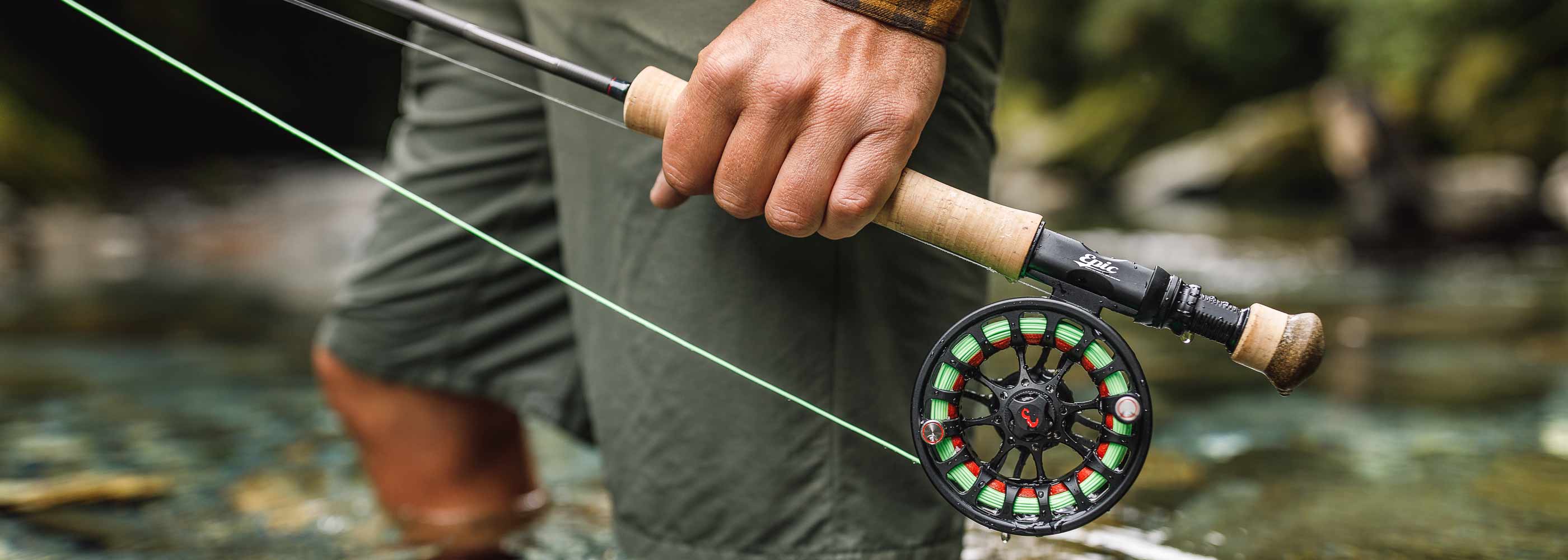
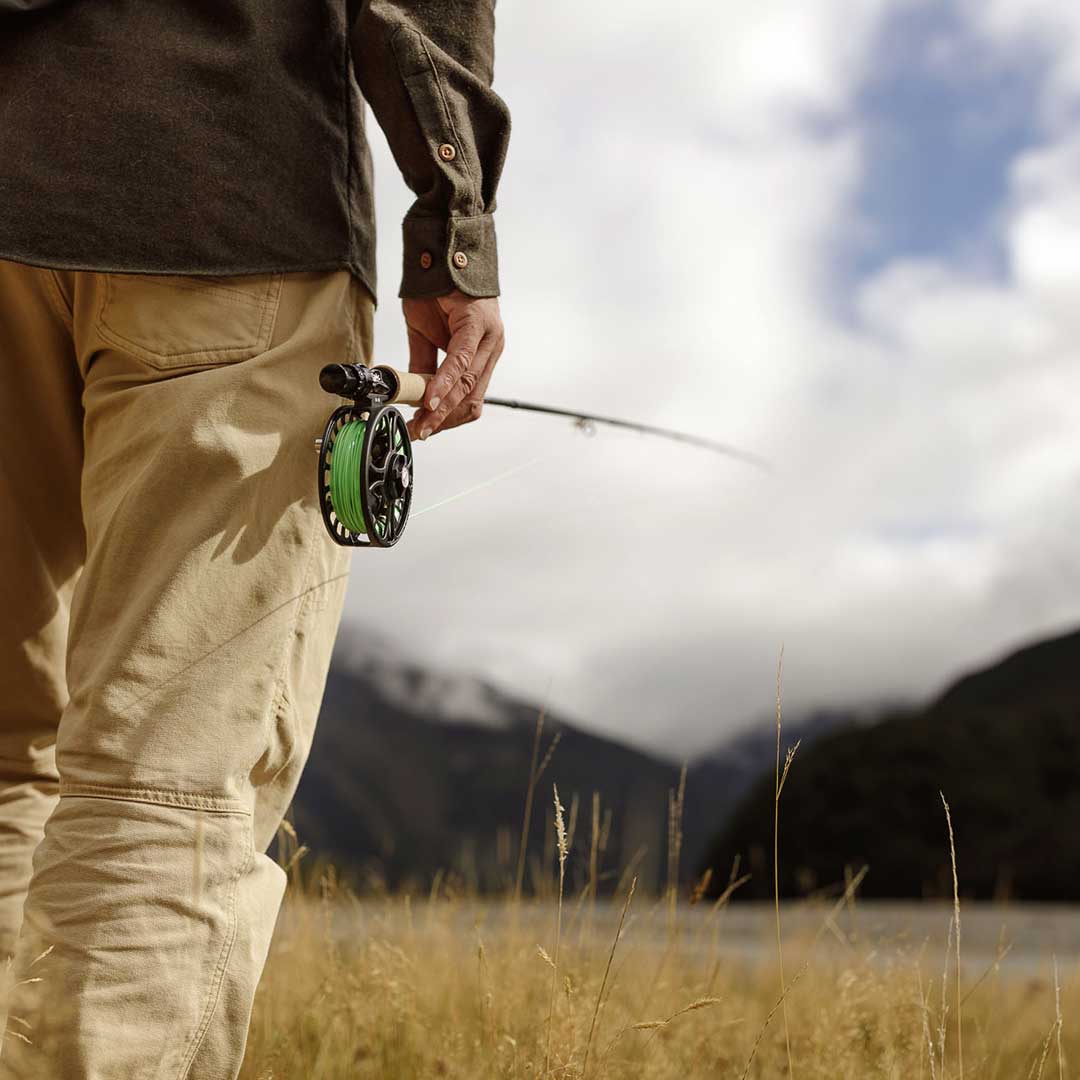
Tackle has evolved, but the seven-weight still lives in that middle ground. That’s its strength. It offers power without sacrificing feel—turning over streamers, handling hopper-dropper rigs, and managing strong fish in current. In warmwater, it shines, delivering bulky bass bugs with authority while still casting all day comfortably.
And then there’s the salt.
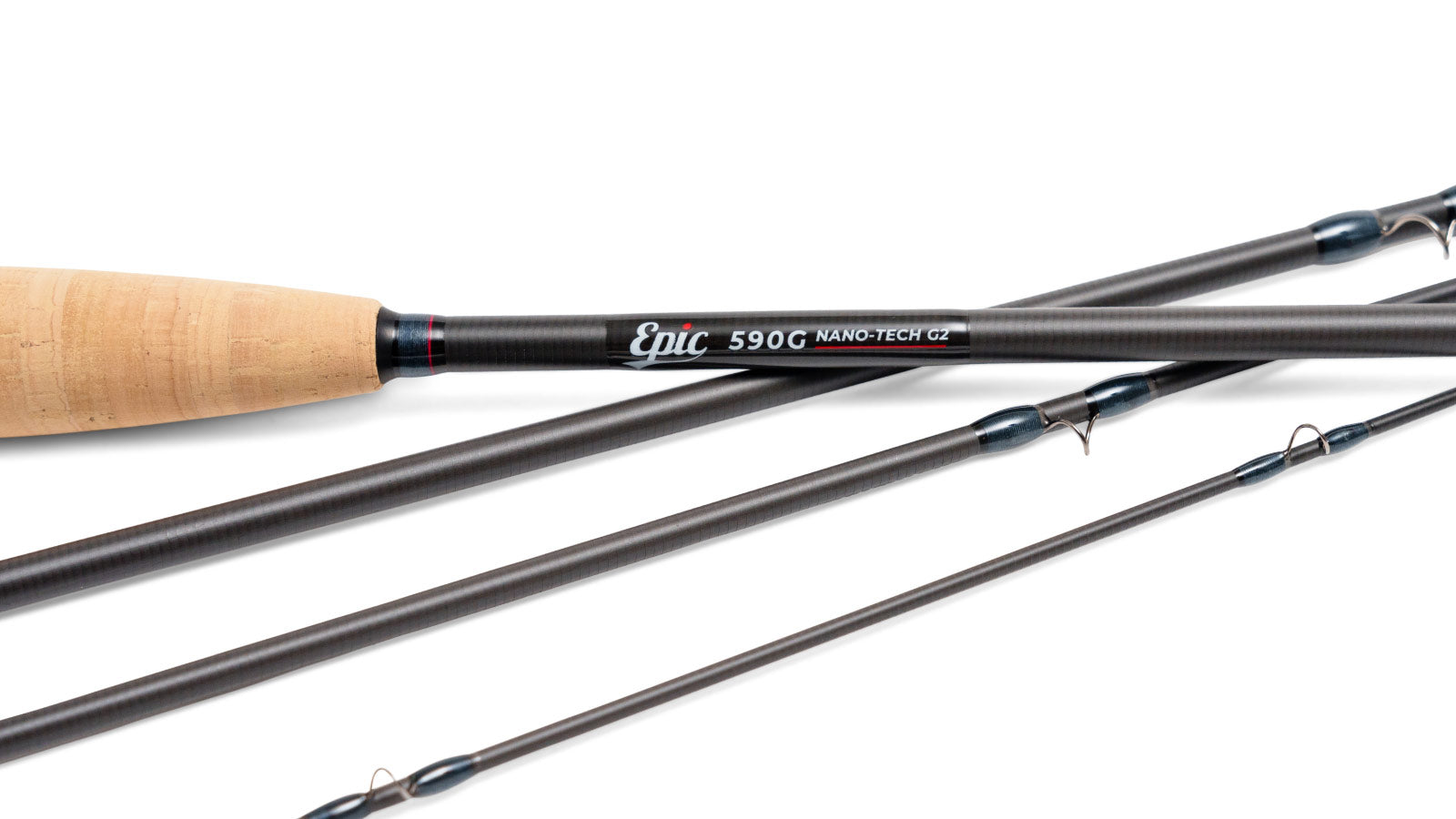
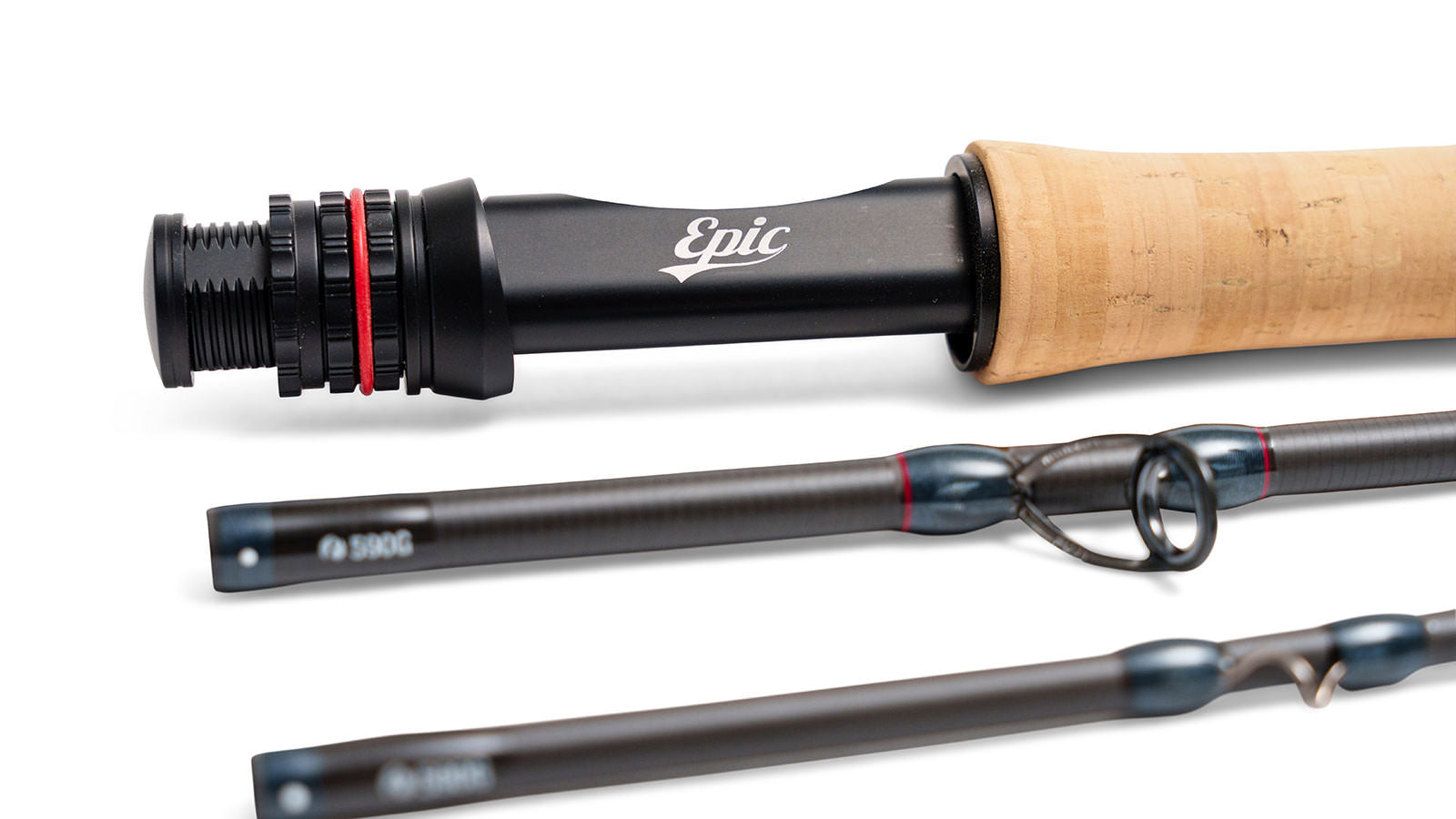
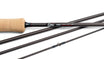
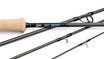
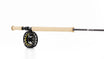
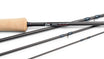
On a recent Bahamas bonefish trip, I chose an Epic 790Ti over my usual six or eight—and it proved the perfect middle path. In bonefishing, the ability to pick up and reposition a long line instead of stripping it all back often means a second shot. A good rod makes that possible, lifting and redirecting the line smoothly without collapsing the cast.

The 790Ti does this beautifully—smooth, progressive, and powerful without stiffness. Paired with a long-head bonefish line, it managed delicate presentations and windy conditions with equal confidence. Close or long, I never felt under-powered or over-gunned.
Years ago, I was told to carry a six and an eight—or a five and a seven. That still holds. But over time, I’ve come to appreciate just how much the seven alone can do.
It’s not flashy. It just works—across trout, warmwater, and the flats.
If I could bring only one rod, I wouldn’t hesitate.
I’d reach for the seven.

|
Words by Joe MahlerJoe Mahler is one of the USA's leading fly casting instructors and author and illustrator of “Essential Knots & Rigs for Trout” and “Essential Knots & Rigs for Salt Water”. You can Book a fly casting lesson with Joe via his website here. |