
Landing a fish cleanly and safely is the final test of an angler’s skill, and the “slip and grasp” method is one of the most efficient techniques for doing just that.
Used effectively in both fresh and salt water – from a boat or on foot, this approach emphasizes control, patience, and feel rather than brute force.
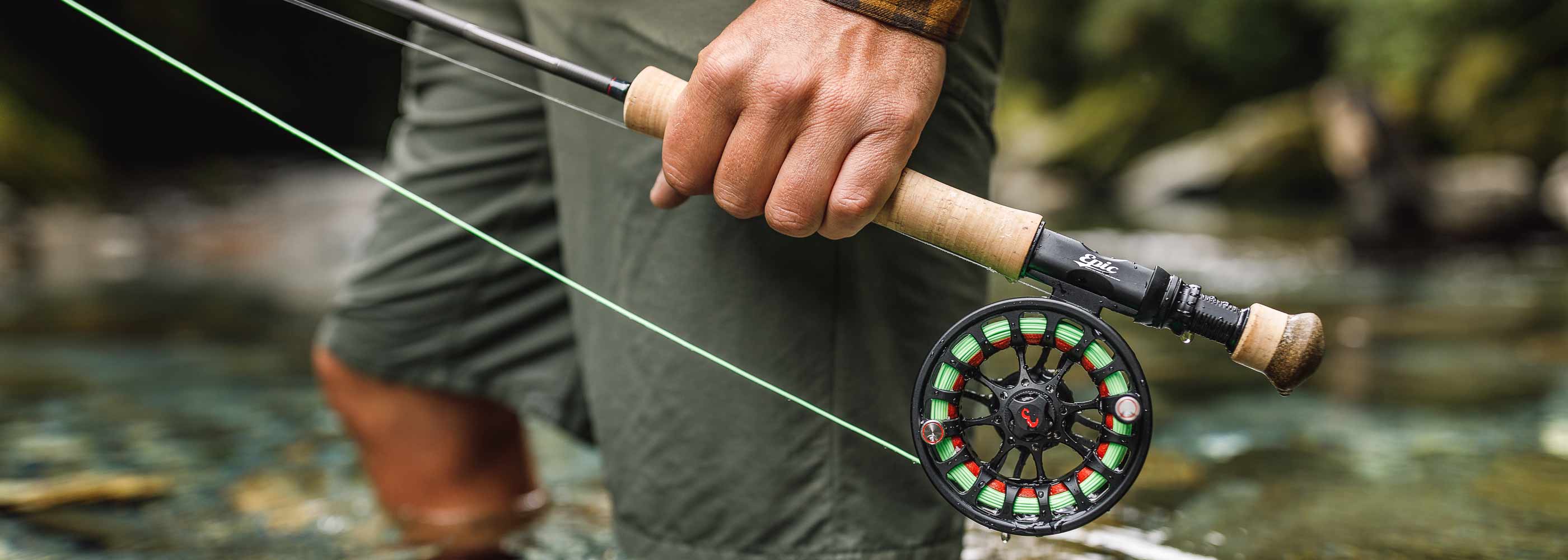
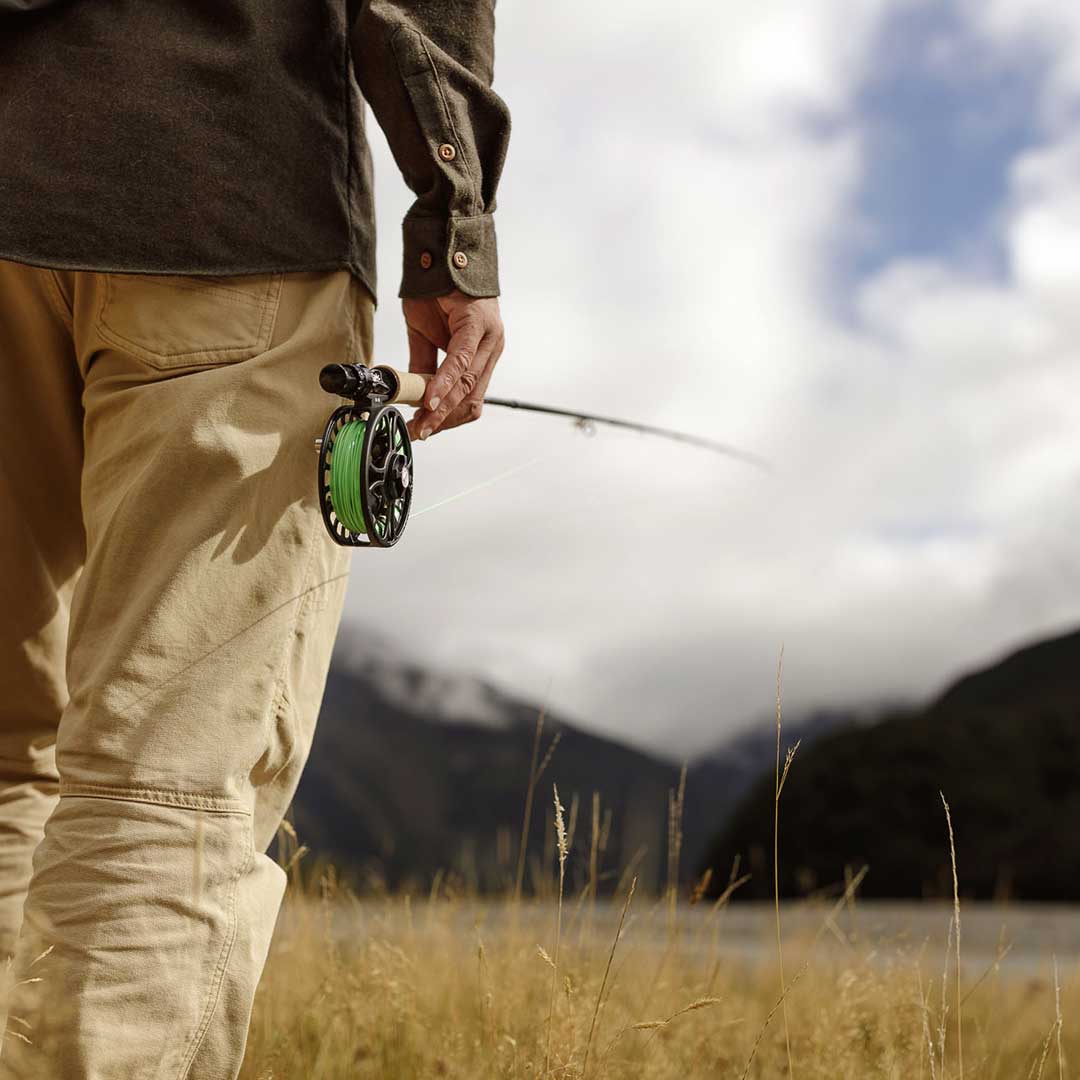
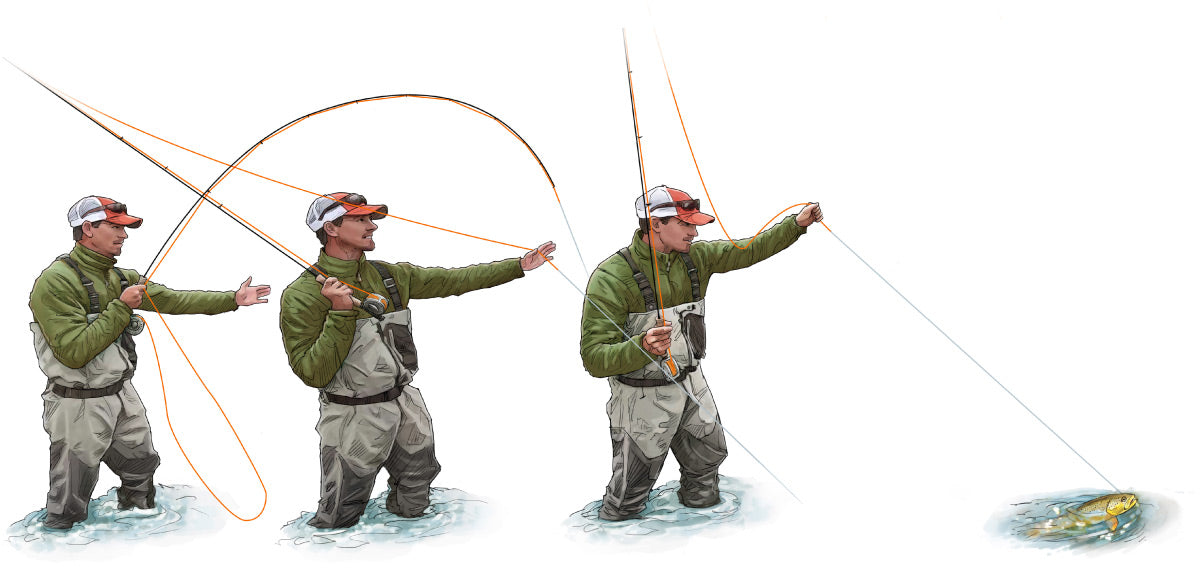
The slip and grasp method begins once the fish is close and under control. Instead of rushing the landing, guide the fish with your fly rod tip in the opposite direction of its movement. As the rod tip moves away from the fish, allow the line to gently slip through your stripping finger until you are able to grasp it with your line hand. The key is tension with gentle resistance--enough to stay connected, but not so much that a last-second run results in a break-off.
When the moment is right, begin hand-lining the fish toward you. This gives you direct feedback and finer control than the rod alone. If the fish bolts or thrashes, simply ease up or release the line and let it run. Because the line is already slipping freely, there’s negligible risk of damage to your rod tip. Once it settles, repeat the process.
In freshwater, the slip and grasp method is ideal for species like bass, trout, and carp, especially in tight quarters or shallow water. In saltwater, it shines when landing snook, redfish, bonefish, or small tarpon from a boat, kayak, or wading. Mastering this technique not only improves landing success, but also promotes safer, more fish-friendly handling—proof that finesse often wins the fight.


|
Words and images by Joe MahlerJoe Mahler is one of the USA's leading fly casting instructors and author and illustrator of “Essential Knots & Rigs for Trout” and “Essential Knots & Rigs for Salt Water”. You can Book a fly casting lesson with Joe via his website here. |